

01
A major driver of decline
Emerging infectious diseases are now a major driver of amphibian declines worldwide—and one of the most serious.

Conservation · Science · Action
An Asociación Herpetológica Española initiative tackling emerging infectious diseases that are reshaping ecosystems.
A leading threat to amphibians
Emerging infectious diseases are now a major driver of amphibian declines worldwide—and one of the most serious.
Some are fungi or viruses introduced by people to regions where they were not previously present. Others are native pathogens becoming more damaging as the climate changes.
Globalisation is accelerating transmission. International trade and the movement of non-native species are now the main routes by which pathogens spread.
Emerging infections
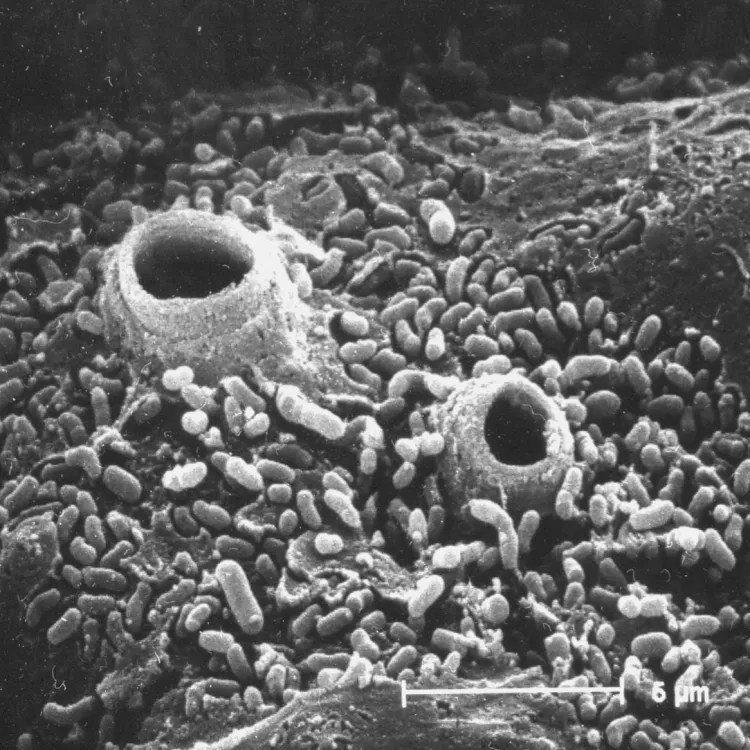
Pathogenic chytrid fungi and ranaviruses threaten entire amphibian populations and species. Our work combines research, disease surveillance and rapid field response.

What you can do
Good field practice, reliable information and rapid reporting can prevent new disease outbreaks.

Prevention
Before moving between sites, clean, disinfect and dry all field equipment to avoid carrying pathogens with you.
Early warning
If you find dead amphibians or animals showing signs of disease, report it promptly—your information could be critical.
Citizen science
Contribute to disease surveillance, population monitoring or technical support, wherever you are and whatever your expertise.

Amphibians in captivity
Breeders, retailers and private keepers can reduce disease risk through quarantine, strict biosecurity and pathogen screening. This section offers practical guidance on good husbandry and on preventing pathogens from spreading.
Responsible keeping
Latest from the network
Research, monitoring and public engagement help us respond to the threats facing amphibians. Here are the latest updates from across the network.

A controlled field intervention eradicated Bd from breeding sites used by the Betic midwife toad.


Fourteen years of monitoring show that populations respond very differently to Ranavirus and Bd.
Our network in numbers
We connect researchers with people on the ground, so we can act where amphibians need it most.

Projects and donations
Research projects fund specific studies, but they do not cover the scientific supplies, analyses, travel and other costs that sustain the network’s conservation work.
Every contribution matters
Your support can help prevent pathogen introductions, detect outbreaks early and protect entire populations.


