Latest update
The new SOSanfibios website is here.
A more open website for sharing our work, connecting with people and teams in Spain and beyond, and making it easier to collaborate in amphibian conservation.
Read the full updateNews & updates
We monitor populations, identify risks and test solutions. Here we share the findings, resources and fieldwork that turn evidence into effective conservation.
 01September 1, 2026
Latest update
A more open website for sharing our work, connecting with people and teams in Spain and beyond, and making it easier to collaborate in amphibian conservation.
Read the full updateField notes
Findings, resources and decisions shared across the SOSanfibios network. Filter the archive to explore our research, monitoring, conservation management and outreach.
 Disease mitigation
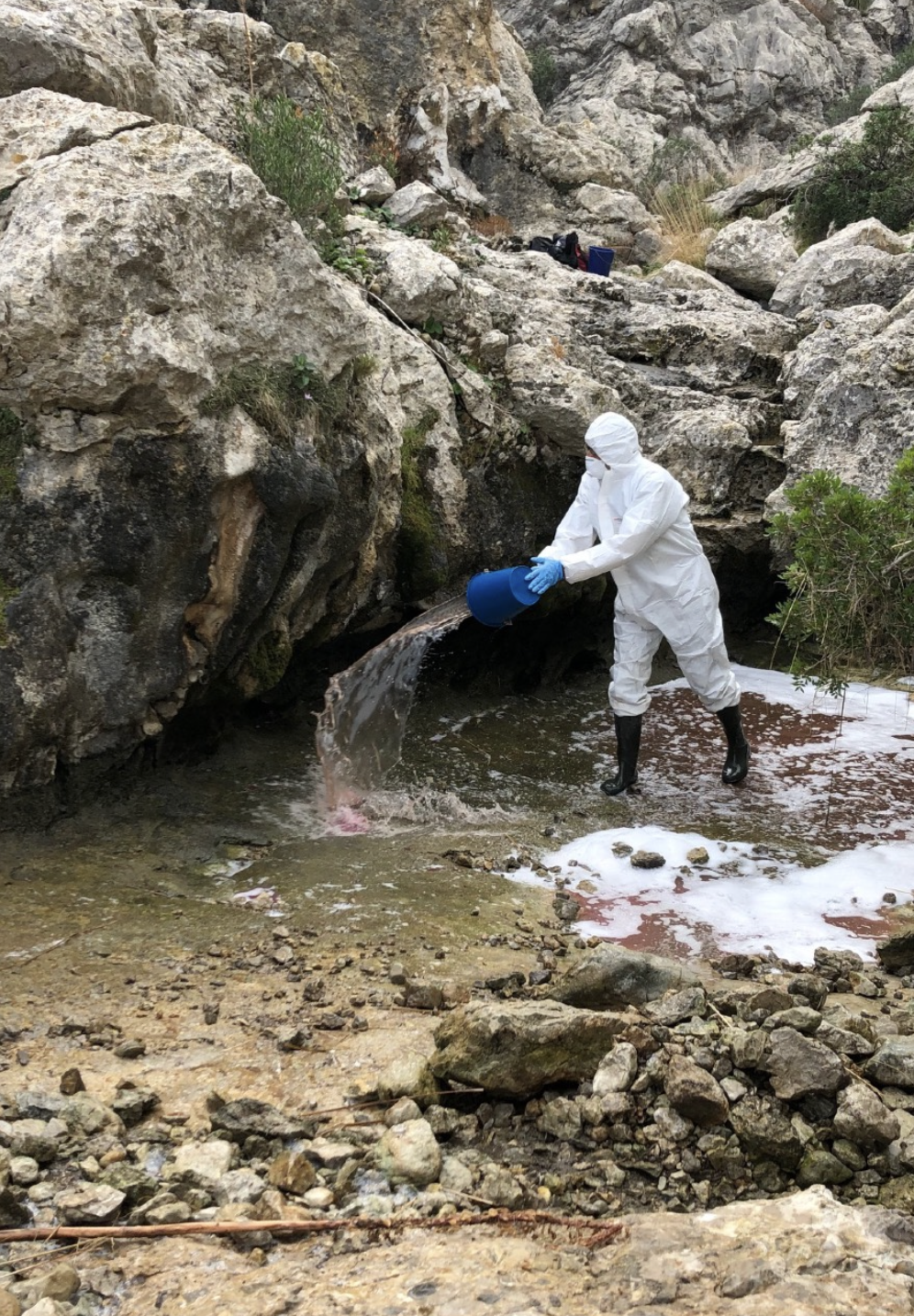
A controlled field intervention eradicated Bd from breeding sites used by the Betic midwife toad.
Read more Outreach
This open-access guide explains emerging diseases, the threats they pose and good practice for anyone who encounters or keeps amphibians.
Read more Research
Screening almost 1,500 animals has helped define the risk to Iberian salamanders and newts.
Read more Monitoring
Fourteen years of monitoring show that populations respond very differently to Ranavirus and Bd.
Read more Monitoring
A survey spanning the Betic midwife toad’s entire range reveals how widely the fungus has spread.
Read more Conservation management
A shared roadmap sets out what to do before, during and after the pathogen is introduced.
Read more Research
A coordinated survey on both sides of the Pyrenees examines the health of Calotriton asper populations.
Read more Outreach
Scientific evidence presented clearly to support prevention and conservation management in Catalonia.
Read more Biosecurity
Health screening in the animal trade helps close one route by which pathogens move between regions.
Read more Monitoring
Hundreds of populations, from Galicia to the Basque Country, form a collaborative pathogen-surveillance network.
Read more Disease mitigation
An intensive response combined access restrictions, larval treatment and disinfection of affected water bodies.
Read more Disease mitigation
Fourteen water bodies affected by chytridiomycosis form part of a recovery programme for the Betic midwife toad.
Read more Monitoring
A programme established in 2006 records abundance, climate, pathogens and ecosystem change at twenty-four sites.
Read more Reintroduction
Conservation breeding and releases are maintaining Alytes obstetricans in the park after a devastating outbreak.
Read more Conservation breeding
An assurance population supports reintroduction and research following a chytridiomycosis outbreak.
Read moreNo results match this filter.
15 stories spanning monitoring, site disinfection, trade controls, conservation breeding and reintroduction.
Back to the start of the archiveIn the field
Each intervention connects data, people and decisions. There is no single response: we observe, prevent, intervene and support recovery.
We use carefully controlled measures where inaction could have irreversible consequences.
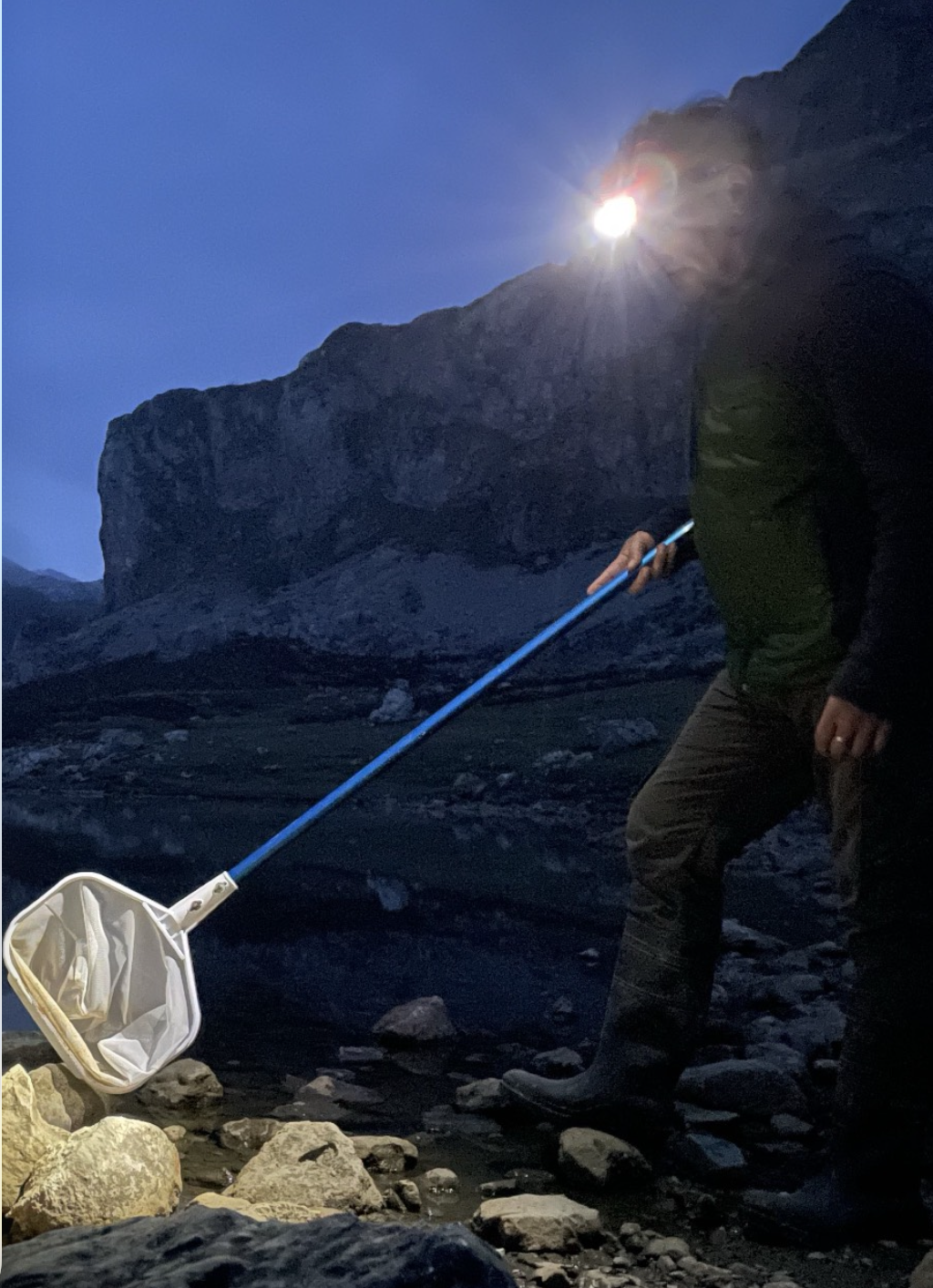
Long-term data help distinguish natural fluctuation from genuine decline.
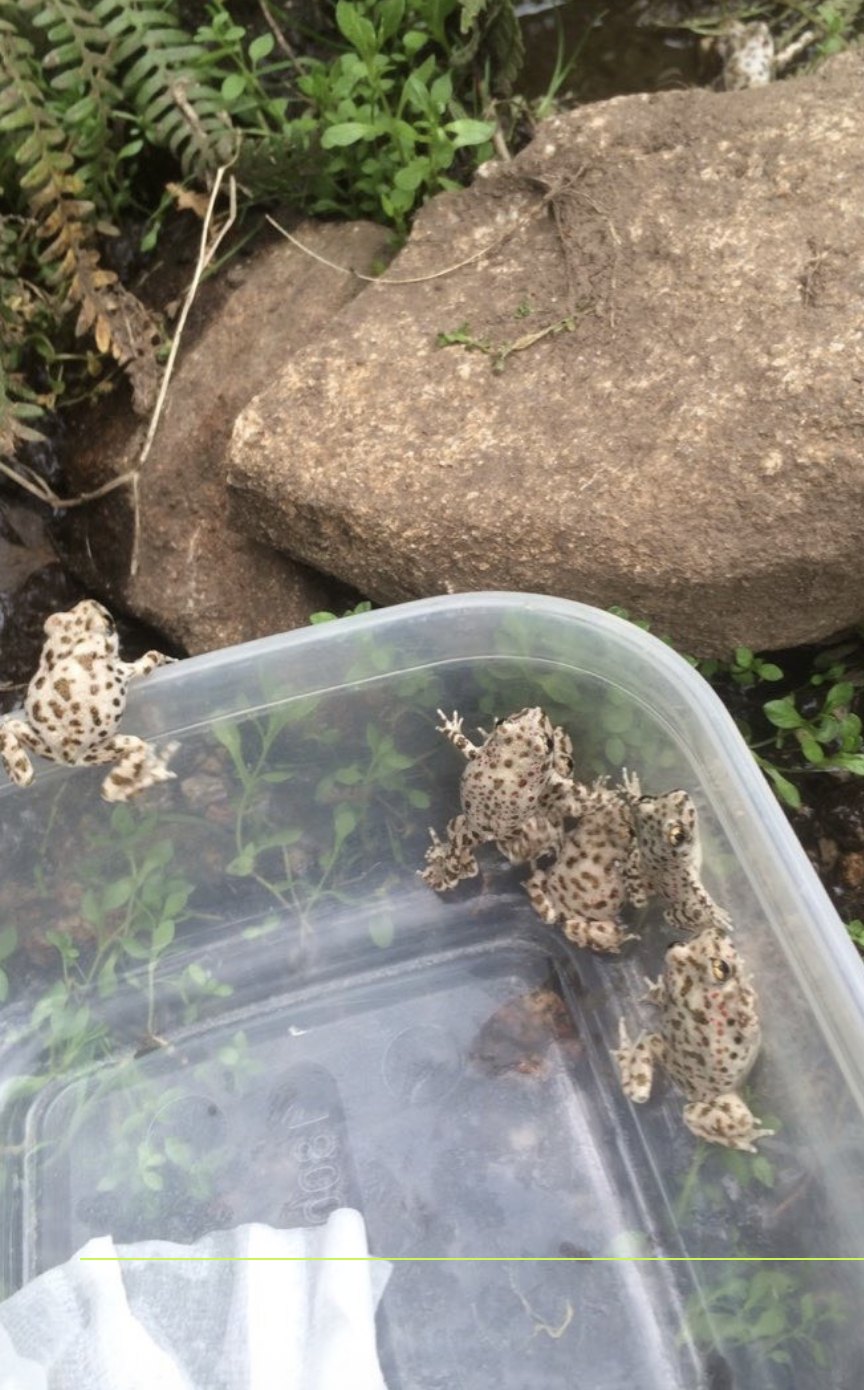
Conservation breeding, monitoring and reintroduction form a single recovery strategy.
Biosecurity in the field, captivity and trade is our most effective intervention.
You are part of the response
If you find dead amphibians, unusual behaviour or anything else of concern, please tell us.